
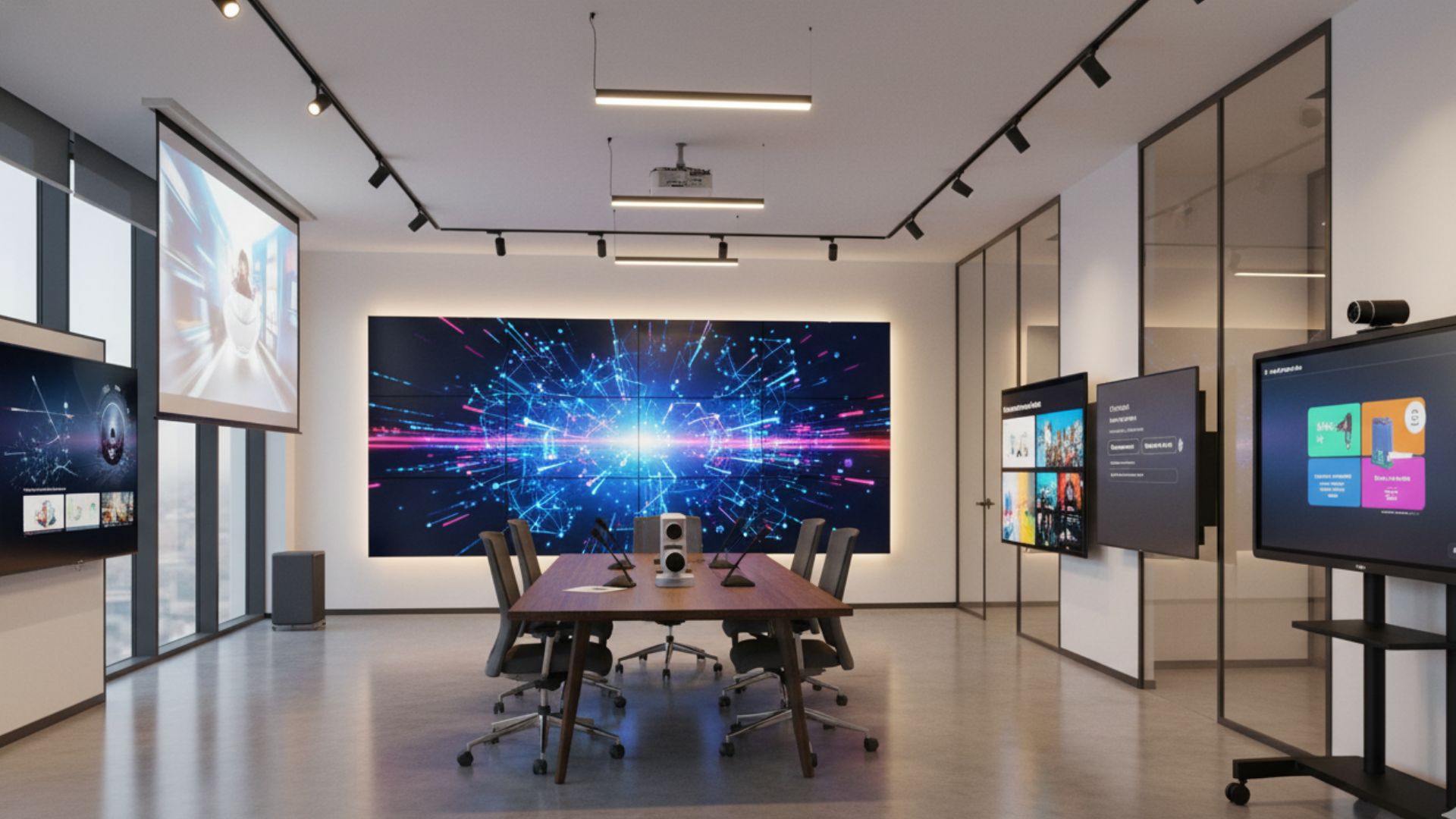
Seamless AV Systems Integration: Preserving Interior Design Aesthetics in Abu Dhabi
Modern interior design thrives on clean lines, minimalist spaces, and visually stunning environments. Yet, when technology enters the scene, displays, video conferencing, projectors, or audio systems, it can quickly disrupt the aesthetic flow. Visible cables, bulky equipment, and poorly positioned devices often clash with a designer’s carefully curated vision, leaving frustration in their wake.
Interior designers frequently face the challenge of integrating advanced AV systems without compromising the elegance of their projects. Coordinating multiple technology vendors, understanding technical requirements, and ensuring everything works together can be overwhelming. Fortunately, with a strategic approach to AV integration, it is possible to maintain design integrity while delivering cutting-edge technology. This article explores practical strategies to seamlessly integrate AV systems in commercial, hospitality, and corporate spaces across Abu Dhabi.
The Challenge: Technology vs. Design
Interior designers often encounter several common problems when introducing AV systems into their projects:
- Visible cables and wiring ruin the clean, minimalist aesthetic.
- Bulky AV equipment clashes with modern interiors.
- Technology placement conflicts with furniture layouts and room flow.
- Lack of technical knowledge about AV and ELV systems.
- Coordination difficulties between multiple technology vendors.
A typical scenario: “I create beautiful spaces, but technology installers come in and destroy the aesthetics with exposed cables, bulky equipment, and poor placement.” This frustration is common, particularly in high-end commercial offices, luxury hotels, and contemporary residential projects.
Solution: Seamless AV Systems Integration
Integrating AV systems without compromising design requires a thoughtful, design-first approach. MYB Advanced Technology Systems specializes in preserving interior aesthetics while delivering state-of-the-art AV solutions. Here’s how modern integration addresses each pain point:
1. Eliminating Visible Cables
Pre-Construction Infrastructure Planning
- Join projects early, during schematic design.
- Map conduit pathways aligned with architectural drawings.
- Plan cable routes around furniture layouts and structural elements.
- Integrate access points with baseboards, crown molding, and ceiling coffers.
Structured Cabling Systems
- In-wall cable management for dedicated AV pathways.
- Floor boxes and ceiling trays hidden from view.
- Wireless technology for areas where cabling isn’t feasible.
- Centralized equipment rooms conceal bulky hardware.
Invisible Connection Points
- Custom flush-mounted wall plates matching interior finishes.
- Pop-up floor boxes and hidden panels behind artwork.
- Wireless charging surfaces integrated into furniture.
Retrofit Solutions
- Decorative cable channels disguised as architectural elements.
- Ceiling-mounted pathways following beam lines or grids.
- Furniture-integrated pathways in desks, millwork, and credenzas.
Future-Proof Infrastructure
- Oversized conduits for technology upgrades.
- Modular connection systems adapting to future needs.
- Detailed documentation for future renovations.
Case Example: At Sheikh Zayed Grand Mosque, a complete AV system was installed across multiple halls with zero visible cables, preserving the architectural integrity of this iconic building.
2. Slimming Down Bulky AV Equipment
Ultra-Thin Display Technology
- LG EVO OLED: 4mm thin, frameless displays.
- Samsung The Frame: TV doubles as artwork when off.
- Sony BRAVIA Professional: Near-invisible wall-mounted displays.
Designer-Friendly Video Conferencing
- All-in-one devices like Logitech Rally Bar and Neat Bar Mini.
- Integrated mic, speakers, and cameras reduce clutter.
- Fabric finishes and ceiling/furniture integration options.
Concealed Equipment Strategy
- Centralized equipment rooms keep amplifiers, recorders, and switches hidden.
- Remote control systems eliminate the need for visible control panels.
Architectural Integration
- Millwork-integrated displays.
- Motorized lifts hiding projectors or TVs.
- Furniture-integrated AV solutions blending with design materials.
Premium Brand Aesthetics
- Bang & Olufsen, Sonos Architectural, Crestron touch panels.
- Selection focuses on visual design equal to interior furnishings.
3. Optimal Technology Placement
Early Design Phase Consultation
- Coordinate placement during concept and schematic design.
- Technology adjacency diagrams ensure devices complement furniture layouts.
- Viewing angle calculations and acoustic analysis support functionality.
Room-Specific Planning
- Conference rooms: display centered, cameras at eye-level, ceiling-mounted speakers.
- Lobbies: video walls integrated as architectural features.
- Educational spaces: interactive panels positioned for optimal sightlines.
- Hospitality: TVs, digital menus, and meeting spaces tailored to layouts.
3D Visualization & Coordination
- Mockups, Revit/SketchUp models, and virtual reality walkthroughs.
- Avoids costly redesigns and ensures alignment with design intent.
Flexible & Modular Technology
- Mobile AV systems and wireless solutions for reconfigurable spaces.
- Plug-and-play connection points supporting multi-purpose rooms.
Post-Installation Flexibility
- Future-proof positioning for changing furniture layouts.
- Wireless systems reducing fixed installation requirements.
4. Simplifying Technical Knowledge for Designers
Educational Workshops
- “AV 101 for Interior Designers”: Terminology, system types, infrastructure.
- “Smart Building Technologies Explained”: IoT and building automation.
- CPD-accredited sessions on specifying AV in projects.
Project-Specific Consultations
- Review schematic designs and provide preliminary equipment lists.
- Assess functional requirements and recommend suitable solutions.
Designer-Friendly Documentation
- Illustrated equipment catalogs and installation galleries.
- Quick-reference guides for video wall planning, display selection, and conference room setup.
Dedicated Designer Liaison Team
- Single point of contact bridging design and technical teams.
- Attends client meetings to explain technology implications.
Ongoing Education & Support
- Quarterly updates on technology trends, product launches, and regulatory changes.
- Showroom access in Abu Dhabi for hands-on product experience.
5. Streamlined Vendor Coordination
Single-Source Integration
- All AV, ELV, security, network, and smart building systems under one roof.
- Unified project management with one point of contact.
- Consolidated timelines, submittals, and warranties.
Integrated System Design
- Shared network backbone and centralized power distribution.
- Unified control interfaces (Crestron/Extron) for AV, lighting, and automation.
- Simplified IP, VLAN, and bandwidth management.
Streamlined Communication
- Weekly coordination meetings covering all technology systems.
- Single RFI process and unified submittal log.
Complete Accountability
- Full responsibility for integration and system performance.
- 24/7 support and a single contact for all issues.
Designer Testimonial:
“MYB joined during schematic design, planned all infrastructure, and not a single cable is visible. The space looks exactly as I envisioned. All technology is integrated without compromising aesthetics.”